By November in Greece, the last of the tourists have gone home and beachside cafes have packed up for the season. Locals turn their focus to the real business of autumn: preparing for winter and sowing season, ending the harvest, and the upcoming holidays (yiortes).
November also marks the beginning of the Greek Church’s busiest month for name days and festivals, as well as the start of the 40-day Christmas fast.
Here’s a comprehensive list of important events in Greece, and Greek culture in November.
In this post
- Cultural Events and Festivals
- Religious Celebrations and Name Days
- Harvests and Agriculture
- Seasonal Food
- Flora, Fauna and the Weather
- Is November a Good Time to Visit?
- Regional and Lesser-Known Festivals
- Bringing November Home
1. Cultural Events and Festivals
Thessaloniki International Film Festival – early November
Greece’s biggest film festival has been running since 1960, when it started life as a modest Greek Film Week. Today it pulls more than 80,000 people into cinemas around Aristotelous Square and the restored warehouses on Thessaloniki’s waterfront, all chasing the top prize, the Golden Alexander. Even if you’re not a film buff, the city is buzzing, and the bars around Ladadika are full until very late. [Source]
Athens Marathon. The Authentic – usually the second Sunday of November
This is the original route: from the town of Marathon to the marble Panathenaic Stadium (Kallimarmaro) in central Athens, following the legend of the messenger who ran to announce victory over the Persians. Tens of thousands take part across the weekend’s races. Fair warning: the course climbs for about 20 kilometres, which is very on-brand for a country that never makes anything easy. [Source]
The Polytechnio – November 17
The anniversary of the 1973 student uprising at the Athens Polytechnic against the military junta. On the night of the 17th, a tank crashed through the university gates, and the event became a turning point in the dictatorship’s fall. Schools hold commemorations, people lay flowers at the Polytechnic on Patision Street, and a march winds through central Athens. It’s a serious, emotional day – not a party – and one most Greek families have a story about.
The winter nightlife season
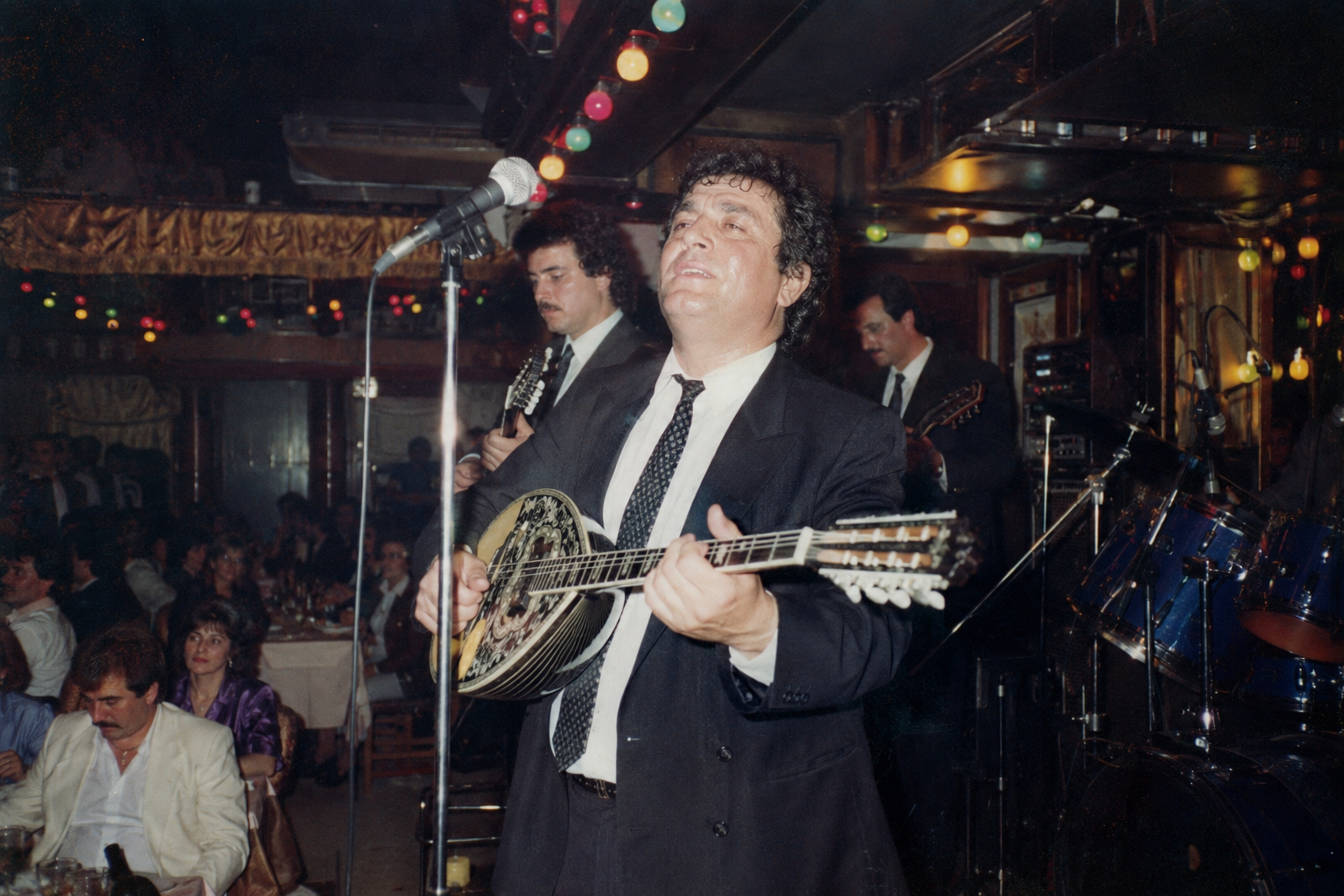
As the islands close, Athens and Thessaloniki open up. Greeks are guaranteed to be partying and the big music venues launch their winter programmes around now, so it’s prime time for a night at the bouzoukia or a smoky evening of rebetika in a small taverna. Internationally, many Greek artists visit diaspora countries for concerts around this time.
2. Religious Celebrations and Name Days
Saints Kosmas and Damianos – November 1
The month opens with the Agioi Anargyroi, the “unmercenary” doctor saints who healed for free. Kosmas and Damianos celebrate today.
The Archangels Michael and Gabriel (Taxiarches) – November 8
One of the big ones. Michalis, Angelos, Angeliki, Gavriil, Stamatis and Taxiarchis all celebrate, so clear your evening. Village churches named after the Taxiarches hold their panigyri, and pilgrims head to the Monastery of Panormitis on Symi (more on that below).
Agios Nektarios – November 9
A 20th-century saint with a huge following, especially on Aegina, where he founded the Holy Trinity convent and where his feast draws crowds by the ferry-load. Nektarios and Nektaria celebrate.
Agios Minas – November 11
The patron saint of Heraklion, Crete, and a public holiday in the city. Minas and Viktoras celebrate.
The Christmas fast begins – November 15
The day after Agios Filippos (November 14), the 40-day Nativity fast begins. It’s gentler than Lent – fish is allowed on many days – but plenty of families still switch to lentils, beans and greens. If you’re joining in, our week of nistisima meal ideas and a pot of fasolada will get you through.
The Entrance of the Virgin Mary into the Temple (Eisodia tis Theotokou) – November 21
In farming communities, the Panagia on this day goes by names like Mesosporitissa – “our Lady of the middle of the sowing” – because it falls halfway through the planting season. Families boil up polysporia, a pot of mixed grains and legumes from the last harvest, and take it to church to be blessed, hoping for a good year ahead. November 21 is also Armed Forces Day in Greece, and a name day for some Marias and Despoinas. [Source]
Agia Aikaterini – November 25
Katerina, Aikaterini and Kaiti celebrate, along with Merkourios.
Agios Stylianos – November 26
The protector of children, and you’ll find his icon above many a Greek baby’s cot. Stelios, Stella and Styliani celebrate.
Agios Andreas – November 30
The patron saint of Patras, where thousands queue to venerate his relics. Elsewhere he’s known as Agios Andreas Trypotiganitis – the saint who pierces frying pans – because folk tradition says if you don’t make tiganites or loukoumades on his day, you’ll find holes in your pans. We don’t make the rules.
That’s just the headline acts. For every date and every name, see our full list of November name days in Greece, and if you’re new to all this, start with why name days matter.
3. Harvests and Agriculture
The olive harvest
November is when the olive harvest gets going in earnest across much of the country, from Kalamata and Messinia to Crete and Lesvos. Whole families – cousins, kids, the uncle who only appears for this – spread nets under the trees and beat or rake the branches. Sacks go to the local press, and the first bright-green, peppery oil of the season (agourelaio) is poured over bread on the spot. If you know, you know.
Raki and tsipouro season
With the grape harvest done, the leftover skins and pips get a second life. In Crete, villages fire up the copper still for the rakokazana, the night the first tsikoudia of the year flows (more below). On the mainland, the same ritual produces tsipouro, especially in Thessaly, Epirus and Macedonia.
Sowing season
Old village calendars called November Sporias – the sowing month. Wheat, barley and broad beans go into the ground after the first rains, which is exactly why the Panagia gets her “mid-sowing” name on November 21.
Citrus and saffron
The first mandarins and oranges start appearing at the laiki, with Chios mandarins and Argolida oranges among the most prized. Up north in Krokos, Kozani, the saffron harvest wraps up – every purple flower picked by hand, every red thread separated by hand. No wonder it costs what it does.
4. Seasonal Food
November food is about the first cold nights and the last of autumn’s fruit.
- Chestnuts. The kastanas and his little street cart reappear on city corners, roasting chestnuts in a paper cone. It is the official smell of a Greek winter.
- Quinces. Simmered into kydoni glyko (spoon sweet) or baked whole with sugar and cinnamon. Every yiayia has an opinion on whether you peel them first.
- Pomegranates and persimmons. Rodia and lotos (also called kaki) fill the markets. Pomegranates will be back in the spotlight on New Year’s Day, when one gets smashed on the doorstep for luck.
- Wild greens. The first rains bring horta back to the hillsides, and the foragers back with them.
- Mushrooms. Autumn is mushroom season in the mountains, particularly around Grevena, which proudly calls itself the mushroom capital of Greece.
- Fasting food. From November 15, lentils, beans, greens and seafood take over many tables.
- Something warm. It’s officially soup, stew and comfort food weather, with a cup of mountain tea for the first sniffle of the season.
5. Flora, Fauna and the Weather
The weather
November is mild but unpredictable. In Athens, expect daytime temperatures of roughly 15–20°C, dropping to around 10°C at night, with more rainy days as the month goes on. Crete and the southern Dodecanese stay a few degrees warmer, and the sea can still be swimmable in early November if you’re brave (or from Melbourne). The mountains are another story: by late November the high peaks can see their first snow. Pack layers and a proper rain jacket.
Autumn colour
The colour that began in October peaks in the mountains in early to mid November. Pelion, Zagori and the villages of Arcadia glow with chestnut, beech and plane trees turning gold and copper.
Wildflowers and wild fruit
The first rains wake the hillsides. Wild cyclamen and bright-yellow sternbergia flower under the olive trees, and the koumaria (strawberry tree) does something rather show-off: it flowers and ripens its red fruit at the same time.
Birds and wildlife
Northern Greece’s wetlands fill with winter visitors. Lake Kerkini, near the Bulgarian border, is famous for its Dalmatian pelicans and the water buffalo that wade through its shallows. Flamingos gather in the saltpans of Kalloni on Lesvos and the lagoon at Messolonghi.
6. Is November a Good Time to Visit?
Yes – as long as you’re not after a beach holiday. November is firmly off-season, and that’s the point.
What closes
Most seasonal hotels, beach bars and tavernas on the smaller islands shut for winter, and ferries switch to reduced winter timetables. Archaeological sites and museums move to shorter winter opening hours, so check closing times before you go.
What you gain
Cheaper rooms, no queues at the Acropolis and locals with time to talk. In recent years, state museums and archaeological sites have also offered free entry on the first Sunday of each month from November to March – confirm with the Ministry of Culture before you plan around it. [Source]
Where to go
- Cities that live all year: Athens, Thessaloniki, Nafplio, Ioannina.
- Mountains: Zagori, Pelion, Meteora and Arcadia for autumn colour, hiking and fireplaces.
- Big islands: Crete (Chania, Rethymno and Heraklion stay busy year-round) and Rhodes, for milder weather and towns that don’t shut.
7. Regional and Lesser-Known Festivals
Arkadi anniversary, Rethymno, Crete – November 8
In November 1866, during the Cretan revolt against Ottoman rule, nearly a thousand fighters, women and children sheltered in the Arkadi Monastery. When the walls were breached, the defenders lit the gunpowder store rather than surrender. Most of those inside died, and the story shocked Europe into paying attention to Crete. Every year the monastery and Rethymno mark the anniversary with services and remembrance – it’s Crete at its proudest. [Source]
Panormitis, Symi – November 8
The Monastery of the Archangel Michael at Panormitis is one of the Dodecanese’s great pilgrimage sites, and the Archangel is a protector of sailors. On his feast, boats arrive from Rhodes and beyond for the all-night vigil and panigyri.
Aegina – November 9
Pilgrims cross from Piraeus to the monastery of Agios Nektarios for his feast. Combine it with Aegina’s famous pistachios and a seafront lunch, and it’s an easy day trip from Athens.
Agios Minas, Heraklion – November 11
Heraklion’s patron saint is usually shown as a Roman officer on horseback. Local tradition says that on Easter Sunday in 1826 a mysterious horseman scattered a mob gathering to attack Christians at church, and the city has credited Minas ever since. Expect a procession and a city on holiday. [Source]
Rakokazana, Crete – through November
From roughly October to December, Cretan villages light the copper still for the season. The rakokazana is half work, half party: neighbours bring roast meat and home cooking, someone brings a lyra, and the protoraki – the first, strongest spirit off the still – is passed around as a sign of trust. If you’re invited, say yes. If you’re offered a second glass, eat something first. [Source]
Agios Andreas, Patras – November 30
Patras goes all out for its patron saint, with an overnight vigil, a procession through the city and queues to venerate his relics late into the night. [Source]
8. Bringing November Home
Not in Greece this November? You can still keep the month the Greek way.
- Boil a pot of polysporia (or lentils, if you’re short on grains) on November 21.
- Fry a batch of tiganites or loukoumades on November 30 and save your frying pans.
- Put the November 8 names in your calendar now. You know at least three Michalises.
- Start the Christmas fast on November 15, or at least have a go at the first week.
November is the quiet hinge of the Greek year – the harvest is in, the fast has started and Christmas is on the horizon. Next up: Greek holiday foods from Christmas to Epiphany.