Come October, many are bidding farewell to Greece. Hotels are packing down for a year, restaurants are taking a long awaited break, and the tourist shops are taking down the t-shirts and storing their wares away for a final time.
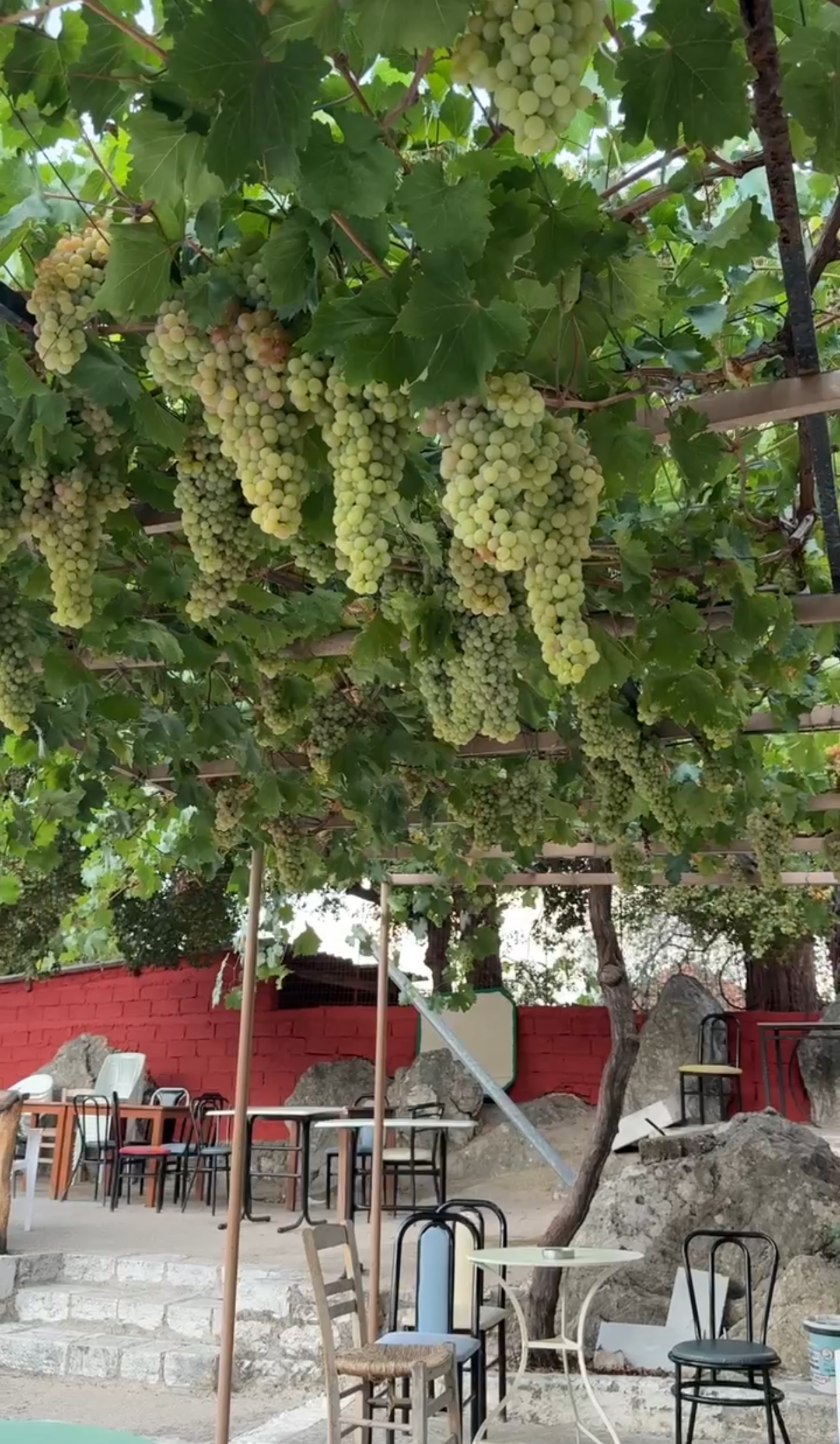
But elsewhere, across the country, the fields are buzzing with activity. Late summer and early autumn bring one of Greece’s oldest seasonal rituals: the grape harvest.
Across the country, vineyards that have spent months under the Greek sun finally come to life with activity. Baskets fill with grapes, wineries begin pressing the new crop, and in villages and wine regions, harvest time can still bring with it food, music, festivals and the unmistakable smell of fresh grape must.
The Greeks have a word for the harvest itself: trygos – τρύγος.
Depending on where you are in Greece, the variety of grape and the altitude of the vineyard, harvesting can begin as early as August and continue well into October. In cooler parts of northern Greece, some harvests even stretch into early November. Wines of Greece | Visit Greece
Trygos: Harvest Time in Greece
Traditionally, trygos was a family and community affair.
Villagers would come together to cut ripe bunches from the vines and fill baskets with the day’s crop. The grapes were then carried away to be pressed, beginning their transformation into wine.
Before modern machinery, that could mean one of the most recognisable images of harvest time: people climbing barefoot into the patitiri, the wine press, and crushing the grapes underfoot.
The work was demanding, but it came with shared meals, songs, celebrations and plenty of opinions about that year’s crop. The Greek National Tourism Organisation still describes trygos as a tradition built around family, and communal work.
Why September Was Called Trygitis
The grape harvest was so important to the agricultural year that September gained another name in Greek folk tradition:
Trygitis – Τρυγητής.
The name comes from the grape harvest itself and roughly carries the sense of “the harvester.” Greek Language Centre
September was traditionally the heart of trygos in many parts of Greece, which explains the name. Even today, September holds a special place in the Greek wine calendar and harvest festivals are held around the country. Visit Greece
However Greece’s geography means that the harvest wonderfully does not always neatly fit into one month.
On warmer islands or lower-altitude vineyards, grapes may be ready in August. Higher or cooler vineyards mature later. In Samos, for example, one recorded harvest ran from early August until the beginning of October, while vineyards in parts of the Peloponnese have harvested late-ripening grapes towards the end of October. Wines of Greece | Corinthia – Wines of Greece
So Trygitis might belong to September, but trygos belongs to the season.
From Grapes to Moustos
Not everything coming out of the press was destined immediately for a wine bottle. Freshly pressed grape juice is called moustos — μούστος, or grape must, and from moustos comes an entire little corner of Greek food culture.
There is petimezi, the dark, concentrated grape-must syrup traditionally used as a natural sweetener. There are moustokouloura, those brown, gently spiced grape-must biscuits found in Greek bakeries. And there is moustalevria, a soft grape-must pudding often topped with cinnamon, sesame seeds or walnuts.
When the grapes came in, very little needed to go to waste.
The First Wine
Harvest also marked the beginning of another wait.
Traditionally, after the grapes were pressed, the wine fermented for the months that followed. The Greek National Tourism Organisation notes old customs linking the first tasting of the new wine with Agios Dimitrios on 26 October in some areas, or Agios Georgios Methystis on 3 November in others. Visit Greece
An Ancient Rhythm That Is Still There
Modern Greek vineyards may use stainless-steel tanks, mechanical presses and carefully controlled fermentation, but the rhythm underneath it all is remarkably familiar.
The grapes still ripen when the land says they are ready. The harvest still changes from island to mountain, from north to south and from one variety to another. And every year, somewhere between the last blazing days of August and the cooler days of October, Greece enters trygos again.
Vines are emptied, grapes become moustos, and moustos becomes wine. And a tradition that has followed the Greek year for generations begins all over again.
Personal Reflection
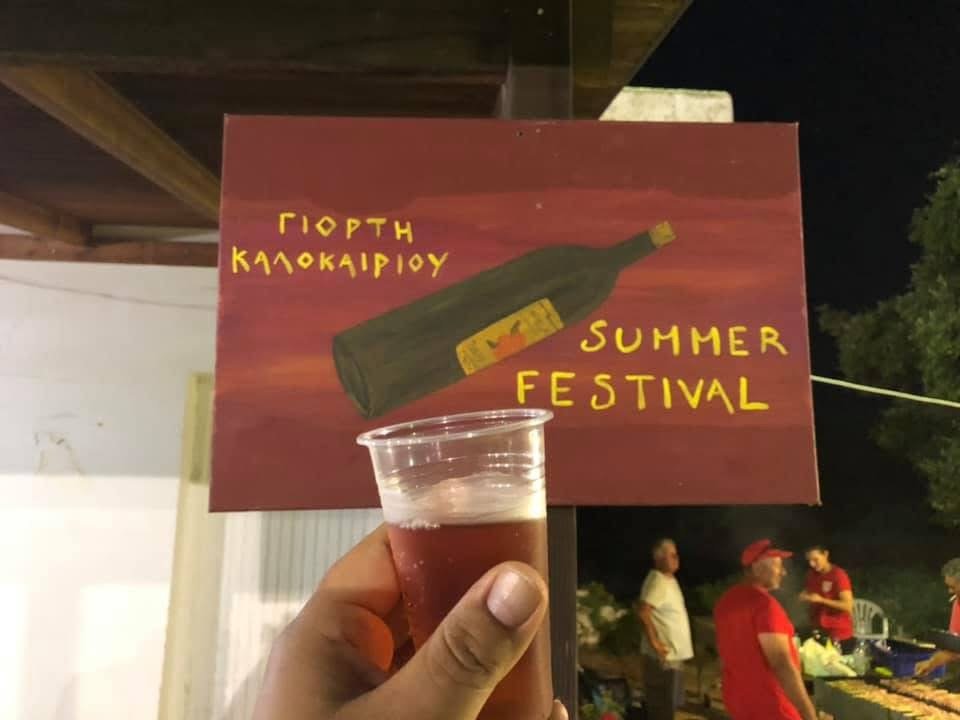
For years I have attended a Wine Festival in Mastichari on the island of Kos (during August). The festival celebrates local wine, and also serves local fare (pitaridia – beef in tomato sauce with thick noodle type pasta – kind of like pappardelle – yum!). It’s very likely this festival is celebrating the opening season of the harvest. I can’t be too sure, but I will check in with relatives to learn more.
What I know for sure, is that when in Greece, home made wine is almost always served on the table with a meal. It wasn’t uncommon during the diaspora either. It’s not unusual that wine is such a significant part of Greek culture. After all, our ancestors did revere a god whose whole personality was wine!